Combating Loneliness in Your Golden Years: How to Recognize and Reverse This Hidden Health Risk
Chronic loneliness after 50 is as harmful as smoking 15 cigarettes daily. Discover the warning signs and practical ways to rebuild meaningful connections.
1/2/20264 min read

This article contains affiliate links. As an Amazon Associate, I earn from qualifying purchases at no additional cost to you.
The Hidden Health Risk No One Talks About
Here's something that might surprise you: loneliness in your golden years isn't an inevitable part of growing older.
According to research led by Dr. Julianne Holt-Lunstad at Brigham Young University, chronic loneliness poses health risks comparable to smoking fifteen cigarettes a day. The Harvard Study of Adult Development—spanning over 85 years—confirms that meaningful social connections are among the strongest predictors of healthy aging.
But there's an important distinction: being alone isn't the same as feeling lonely.
Solitude can be restorative. Loneliness is different. It's a persistent ache of disconnection, a sense that you don't quite belong anywhere. And unlike solitude, it hurts both mind and body.
The good news? This kind of loneliness can be reversed.
Why Isolation Creeps In After Fifty
Life after fifty often brings unexpected changes that quietly erode our social connections.
Retirement removes more than a paycheck. It eliminates daily routines, shared challenges, and the colleagues we saw every morning. Many retirees describe feeling adrift without that built-in community.
The empty nest leaves the house suddenly too quiet. Parents who structured their lives around children's activities find themselves asking, "Now what?"
Widowhood means losing not just a spouse, but a daily companion, and often, the mutual friendships that came with being a couple.
Mobility challenges transform simple outings into logistical puzzles. Over time, staying home becomes easier than going out.
Technology confusion adds another barrier. Smartphones promise connection but often feel alienating to those unfamiliar with their unwritten rules.
None of these transitions make loneliness inevitable. But without awareness, they can quietly lead there.
What Loneliness Does to Your Body and Brain
Chronic loneliness isn't just emotional, it triggers real physiological changes.
When you feel persistently isolated, your body interprets this as threat. Stress hormones remain elevated, leading to:
Higher rates of heart disease, hypertension, and stroke
Weakened immunity, making you more vulnerable to infections
Chronic inflammation, linked to diabetes and certain cancers
The mental health toll is equally serious. Loneliness disrupts serotonin and dopamine production, often resulting in depression, anxiety, and emotional numbness.
Perhaps most concerning: socially isolated individuals face significantly higher dementia risk. The brain needs regular social interaction to stay sharp—conversations challenge us to process complex information, read emotions, and adapt to different perspectives.
U.S. Surgeon General Dr. Vivek Murthy explores this connection deeply in Together: The Healing Power of Human Connection. It's a compassionate, science-backed look at why relationships matter so much—and how to rebuild them.
Warning Signs to Watch For
Loneliness often hides behind symptoms easily dismissed as "just aging." Watch for:
Sleep changes — insomnia or sleeping far more than usual
Appetite shifts — eating too much, too little, or forgetting meals entirely
Lost interest — abandoning hobbies that once brought joy
Mood swings — unexplained irritability, sensitivity, or emotional flatness
Mental fog — increased forgetfulness, difficulty concentrating
If you recognize several of these signs in yourself or someone you love, it's time to take action.
Practical Ways to Reconnect
Make Technology Work for You
Technology doesn't have to be intimidating, you just need the right tools.
The Amazon Echo Show removes the biggest barriers to staying connected. Instead of navigating complicated apps, simply say "Alexa, call my daughter" and you're face-to-face with family instantly. No passwords, no menus, no frustration. For grandparents wanting to see grandchildren who live far away, it's genuinely life-changing.
Start small: join a WhatsApp group with family, follow a Facebook community around something you love. These aren't replacements for in-person connection they're bridges that keep relationships warm between visits.
Find Your People
Structured activities with like-minded people remain the most reliable path out of isolation.
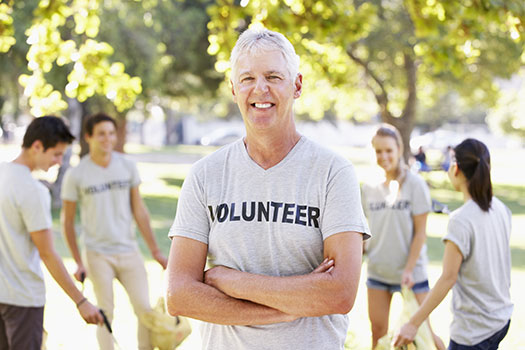
Volunteering works especially well. Helping others at food banks, hospitals, schools and creates natural opportunities for conversation while restoring a sense of purpose.
Interest-based groups offer similar benefits. Book clubs, walking groups, church communities, gardening societies. The specific activity matters less than showing up regularly to the same place with the same people.
If mobility makes leaving home difficult, bring connection to you. A weekly game night with neighbors requires nothing more than a classic card game set and some coffee. These simple gatherings have connected people for generations.
For those rediscovering reading as a path to community, a Kindle Paperwhite makes joining online book clubs effortless—and the adjustable text size is a genuine comfort for aging eyes.
Move With Others
Exercise multiplies its mental health benefits when done in company. Consider:
Water aerobics classes
Mall walking groups
Senior yoga sessions
Beginner dance classes
The combination of endorphins and social interaction creates something powerful. Plus, group fitness settings attract people actively looking for connection.
When to Seek Professional Help
Sometimes loneliness coexists with or develops into conditions requiring specialized support.
Reach out to a professional if you notice:
Persistent hopelessness that doesn't lift
Thoughts of self-harm
Complete withdrawal from all activities
Intense negative thoughts you can't escape
A therapist can provide invaluable guidance through major transitions like widowhood, retirement, or health challenges. Asking for help isn't weakness—it's wisdom.
Your Next Chapter Starts Now
Loneliness in your golden years isn't a life sentence. It's a condition that responds to awareness, intention, and action.
Every small step toward connection a phone call, a class, a wave to a neighbor is an investment in your health. We don't hesitate to prioritize nutrition or exercise. Social connection deserves the same attention.
If someone you know might be struggling, share this article. And if you're the one feeling disconnected, remember: it's never too late to write a new chapter filled with genuine, meaningful connections.
>> Click Here to Discover the Audio Ritual That Clears Neural Inflammation
Connect
Stay updated with brainhealth tips weekly
© 2025. All rights reserved.