Drink This, Not That: The 3 Best (and 3 Worst) Beverages for Your Memory After 50
Is your daily diet soda shrinking your brain? Discover 3 drinks that damage memory and 3 that protect it backed by science, not fads.
1/3/20266 min read
What's in Your Cup Matters More Than You Think
Here's a fact that stopped me in my tracks: your brain is roughly 75% water.
That means every sip you take throughout the day directly influences how clearly you think, how well you sleep, and how reliably you remember. We spend so much energy worrying about what we eat counting calories, avoiding certain foods, reading ingredient labels but how often do we give the same attention to what we drink?
If you're over fifty and noticing more "senior moments" than you'd like walking into a room and forgetting why, struggling to recall a name that's right on the tip of your tongue your beverage habits might be part of the problem.
The encouraging news? Small changes to what you drink can make a meaningful difference. Neuroscience research increasingly shows that certain beverages act almost like medicine for the brain, while others quietly cause damage over months and years.
This isn't about perfection. It's about awareness and a few simple swaps that can help clear the fog.
The 3 Worst Drinks for Your Memory
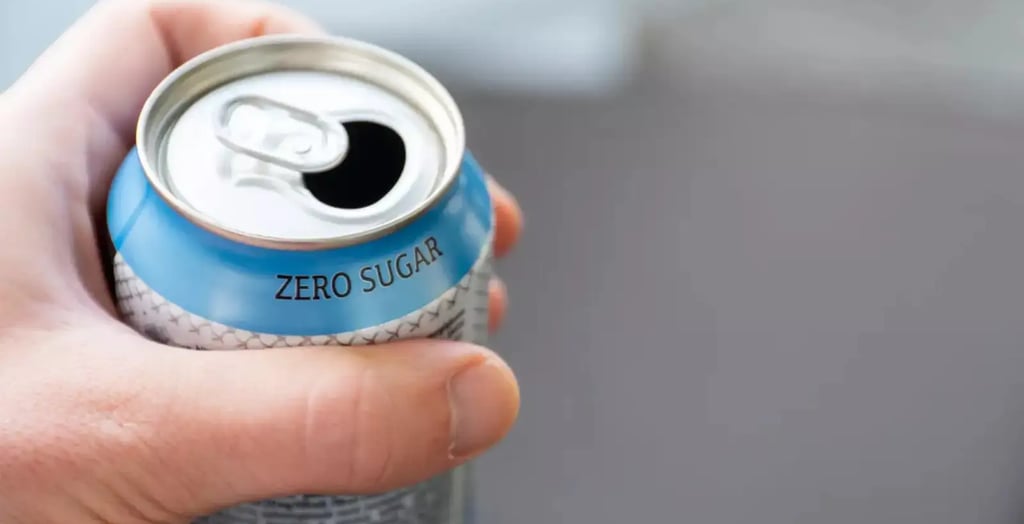
1 Diet Soda: The Swap That Backfired
For decades, diet soda seemed like the smart choice. All the fizzy satisfaction, none of the sugar, zero calories. What could go wrong?
Quite a lot, as it turns out.
A 2017 study published in the journal Stroke, conducted by researchers at Boston University, followed nearly 4,000 adults over ten years. The findings were troubling: people who drank diet soda daily had nearly three times the risk of stroke and dementia compared to those who rarely consumed it.
The culprit appears to be artificial sweeteners particularly aspartame and sucralose. These chemicals don't raise blood sugar directly, but they may disrupt the gut microbiome in ways that increase inflammation throughout the body, including the brain. Some research suggests they also confuse your brain's reward system, actually increasing cravings for sweet foods rather than satisfying them.
Perhaps most concerning: brain imaging studies have found associations between regular diet soda consumption and reduced brain volume particularly in the hippocampus, the region essential for forming new memories.
The bottom line: That "zero calorie" label may carry a hidden cost. If you're drinking diet soda daily, consider gradually reducing to a few times per week, then transitioning to sparkling water with a squeeze of citrus.
2 Fruit Juice from Concentrate: Nature's Candy in Disguise
Orange juice at breakfast feels wholesome. It comes from fruit, after all. But here's what the carton doesn't tell you: juice without fiber is essentially liquid sugar.
When you eat an actual orange, the fiber slows down sugar absorption, giving your body time to process it gradually. When you drink concentrated juice, that sugar hits your bloodstream almost instantly sometimes delivering more sugar per glass than a can of cola.
This matters for your brain because of something called insulin resistance. When your blood sugar spikes repeatedly over years, your cells become less responsive to insulin. This doesn't just lead to Type 2 diabetes researchers have discovered that the brain can develop its own form of insulin resistance, sometimes called "Type 3 diabetes," which is closely linked to Alzheimer's disease.
A study from the Columbia University Irving Medical Center found that older adults with higher blood sugar levels experienced faster cognitive decline, even when their levels weren't high enough to qualify as diabetic.
The bottom line: Eat your fruit, don't drink it. If you love the taste of juice, try diluting it heavily with water (one part juice to three parts water) or switch to whole fruits with breakfast instead.
3 Daily Alcohol: The Nightcap That Steals Your Sleep
Let's be honest here: we're not talking about the occasional glass of wine at a birthday dinner. Moderate, infrequent drinking isn't the concern.
The problem is the daily habit the nightly glass (or two, or three) that becomes as routine as brushing your teeth.
Alcohol affects your brain in several ways. First, it's a powerful dehydrator. Since your brain depends on proper hydration to function, even mild dehydration impairs concentration and short-term memory.
But the deeper damage happens at night. Alcohol disrupts REM sleep the phase when your brain consolidates memories from the day. You might fall asleep faster after a drink, but the quality of that sleep is compromised. Over time, research from the University of Oxford found that even moderate daily drinking was associated with hippocampal shrinkage.
A 2022 study in Nature Communications analyzing brain scans from over 36,000 adults concluded that there's essentially no "safe" level of alcohol for brain health—every additional drink was associated with reduced brain volume.
The bottom line: If you enjoy alcohol, consider designating several alcohol-free days each week. Your sleep—and your memory—will thank you.
The 3 Best Drinks for Your Memory
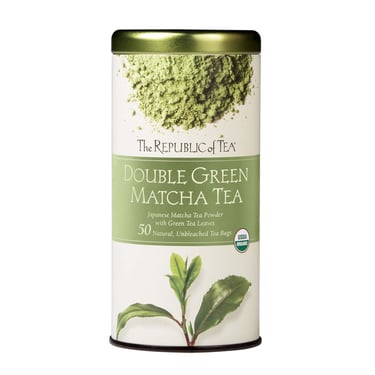
1 Matcha Green Tea: Calm Focus in a Cup
You've probably heard that green tea is good for you. Matcha takes those benefits and multiplies them.
Unlike regular green tea, where you steep leaves and discard them, matcha involves whisking finely ground whole tea leaves into water. You're consuming the entire leaf—and with it, a concentrated dose of protective compounds.
The star player is L-theanine, an amino acid that crosses the blood-brain barrier and promotes alpha brain wave activity. In practical terms, this means calm, focused attention without the jittery anxiety that coffee can cause. Studies show L-theanine works synergistically with matcha's modest caffeine content to improve both attention and memory performance.
Matcha is also exceptionally rich in antioxidants called catechins, particularly EGCG, which has been studied for its potential to protect neurons from damage and reduce the formation of amyloid plaques associated with Alzheimer's disease.
How to enjoy it: Start with one cup in the morning. Whisk a teaspoon of quality matcha powder into hot (not boiling) water. The taste is earthy and vegetal add a splash of milk if you prefer it smoother.
Check Price on Amazon:Link para Matcha Powder
2 Golden Milk: Ancient Wisdom Meets Modern Science
This warm, golden-hued drink has been used in Ayurvedic medicine for centuries. Only recently has Western science begun to understand why it works.
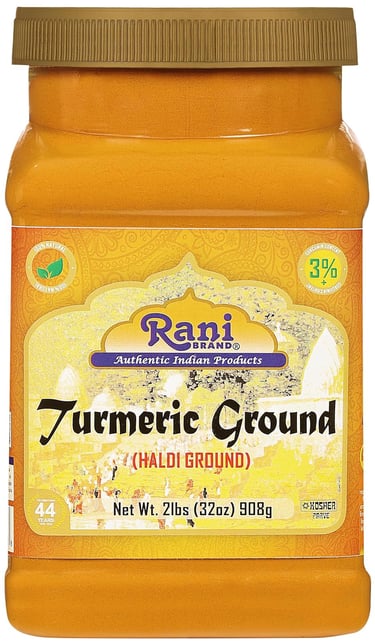
The key ingredient is turmeric, a bright yellow spice containing curcumin one of the most studied natural anti-inflammatory compounds in the world. Chronic inflammation is increasingly recognized as a driver of cognitive decline, and curcumin appears to cross the blood-brain barrier to calm that inflammation directly.
Even more intriguing: curcumin has been shown to boost production of BDNF (brain-derived neurotrophic factor), a protein that functions like fertilizer for brain cells, supporting the growth of new neurons and strengthening existing connections.
There's a catch, though. Curcumin is poorly absorbed on its own. That's why traditional golden milk recipes include black pepper the piperine in pepper increases curcumin absorption by up to 2,000%.
How to enjoy it: Warm a cup of milk (dairy or plant-based), whisk in half a teaspoon of turmeric powder, a pinch of black pepper, and a touch of honey if desired. Drink it in the evening as a calming ritual before bed.
Check Price on Amazon:Link para Turmeric Powder
3. Properly Hydrated Water: The Simplest Fix You're Probably Missing
Before you roll your eyes,yes, plain water. But with a small upgrade that makes a real difference.
Most people over fifty are chronically under-hydrated without realizing it. Our thirst signals weaken with age, and many of us simply forget to drink enough. The result? Brain fog, fatigue, difficulty concentrating—symptoms we often attribute to "just getting older."
But here's what many people don't know: your cells absorb water more effectively when electrolytes are present. Adding a pinch of high-quality sea salt and a squeeze of fresh lemon transforms plain water into something your body can actually use.
The sodium helps maintain proper fluid balance inside and outside your cells. The lemon provides vitamin C and citric acid, which support cellular energy production. Together, they create an inexpensive, natural hydration boost.
How to enjoy it: Each morning, before coffee or tea, drink a full glass of room-temperature water with a small pinch of sea salt (you shouldn't taste it) and the juice of half a lemon. This simple habit rehydrates your brain after sleep and sets a foundation for clearer thinking throughout the day.
Beyond the Glass: Resetting Your Mental Clarity
Changing your drinking habits is a powerful first step. But if you've spent years consuming brain-draining beverages, you might need additional support to clear the accumulated fog.
Think of your brain like a radio that's picked up static over time. The right hydration clears some of that interference—but sometimes you need to reset the frequency entirely.
That's where sound-based therapy comes in. Specific audio frequencies have been shown to influence brainwave patterns, helping shift from scattered, stressed states into calmer, more focused ones.
The practice known as "The Brain Song" uses precisely calibrated soundwaves to help reset your mental rhythm—like a deep cleaning for your neural pathways. It's completely natural, takes just 17 minutes, and many people report feeling clearer and more mentally energized after consistent use.
Hydrate your body with better beverages. Hydrate your mind with restorative sound.
Connect
Stay updated with brainhealth tips weekly
© 2025. All rights reserved.