The Toothbrush Trick: Is Your Mouth Secretly Destroying Your Memory?
Scientists have found oral bacteria inside the brains of Alzheimer's patients. Discover the shocking link between flossing and memory loss (and how to protect yourself).
12/31/20253 min read
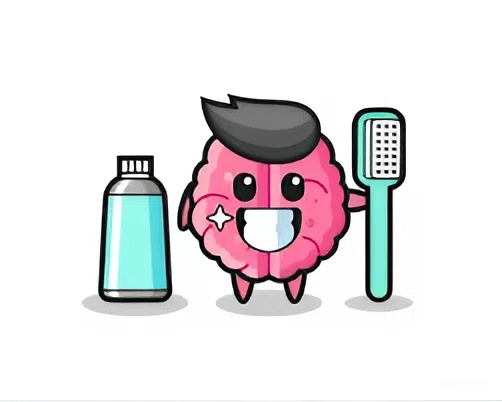
Let’s skip the small talk and look at a terrifying fact.
In recent autopsies of patients with severe Alzheimer's disease, scientists kept finding the same intruder hiding in the brain tissue.
It wasn’t a virus. It wasn’t a genetic mutation.
It was Porphyromonas gingivalis.
If that name sounds familiar, it should. It’s the primary bacteria that causes gum disease (gingivitis).
This discovery has shaken the medical world. It suggests that forgetting your grandkids' names might not start in your head. It might start in your mouth.
How a Mouth Bacteria Travels to Your Brain
You might be wondering: "How does bacteria from my teeth get all the way up to my memory center?"
Your mouth is the gateway to your bloodstream. Every time you brush too hard and your gums bleed, or every time you chew with inflamed gums, you open a door.
Bacteria enter the bloodstream and can ride the highway all the way to the brain.
Once there, they release toxins called gingipains. These toxins destroy brain cells and cause massive inflammation. To protect itself, the brain creates "plaques" (amyloid beta). Over time, these plaques block your neural connections.
So, when your dentist nags you about flossing, they aren't just trying to save your teeth. They are trying to save your mind.
The "3-Minute Defense" Routine
You don't need expensive surgery to close the door. You just need to be diligent.
1. Floss Before You Brush
Most people floss after brushing. Wrong. Flossing first loosens the bacteria so the brush can sweep them away. Do this every single night. No exceptions.
2. Use an Electric Toothbrush
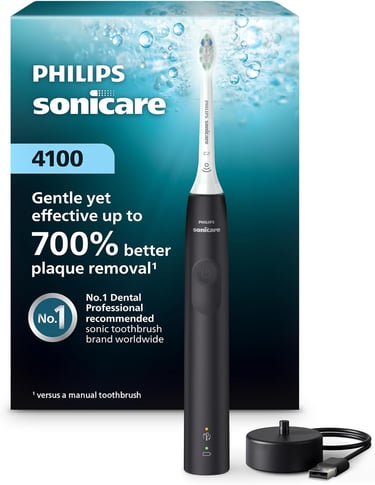
Manual brushing often misses the gumline where these bacteria hide. An electric brush provides the vibration needed to disrupt the bacterial colonies.
3. Tongue Scraping
Your tongue is a sponge for bacteria. A simple copper scraper used every morning removes a massive load of toxins before you even swallow your first sip of water.
IMPORTANT: When Was Your Last Check-Up?
While home habits are crucial, nothing replaces a professional cleaning. If your gums bleed when you floss, or if you haven't seen a dentist in over 6 months, stop reading and book an appointment today.
Calculus (hardened plaque) cannot be removed with a toothbrush. Only a professional can scrape it away. Think of your dentist as a brain-protection specialist.
Disclaimer: This article is for informational purposes only and does not constitute medical advice. Always consult with your doctor or dentist regarding your health.
But What About the Inflammation That’s Already There?
Excellent oral hygiene stops new bacteria from entering. But what about the inflammation that has been building up for decades?
If you already feel "foggy" or forgetful, scrubbing your teeth won't clear the existing static in your brain. You need a way to lower neural inflammation directly.
This is where Soundwave Therapy enters the equation.
While flossing closes the gate, "The Brain Song" cleans up the mess inside.
The specific frequencies in this 17-minute ritual are designed to shift your brain out of the high-inflammation state. By inducing deep relaxation (Alpha/Theta waves), you allow your brain's glymphatic system to flush out toxins—including the ones that might have hitched a ride from your gums.
Brush for your teeth. Listen for your brain.
>> Click Here to Discover the Audio Ritual That Clears Neural Inflammation


Connect
Stay updated with brainhealth tips weekly
© 2025. All rights reserved.